

Is an online casino licence curacao safe for Australian players?
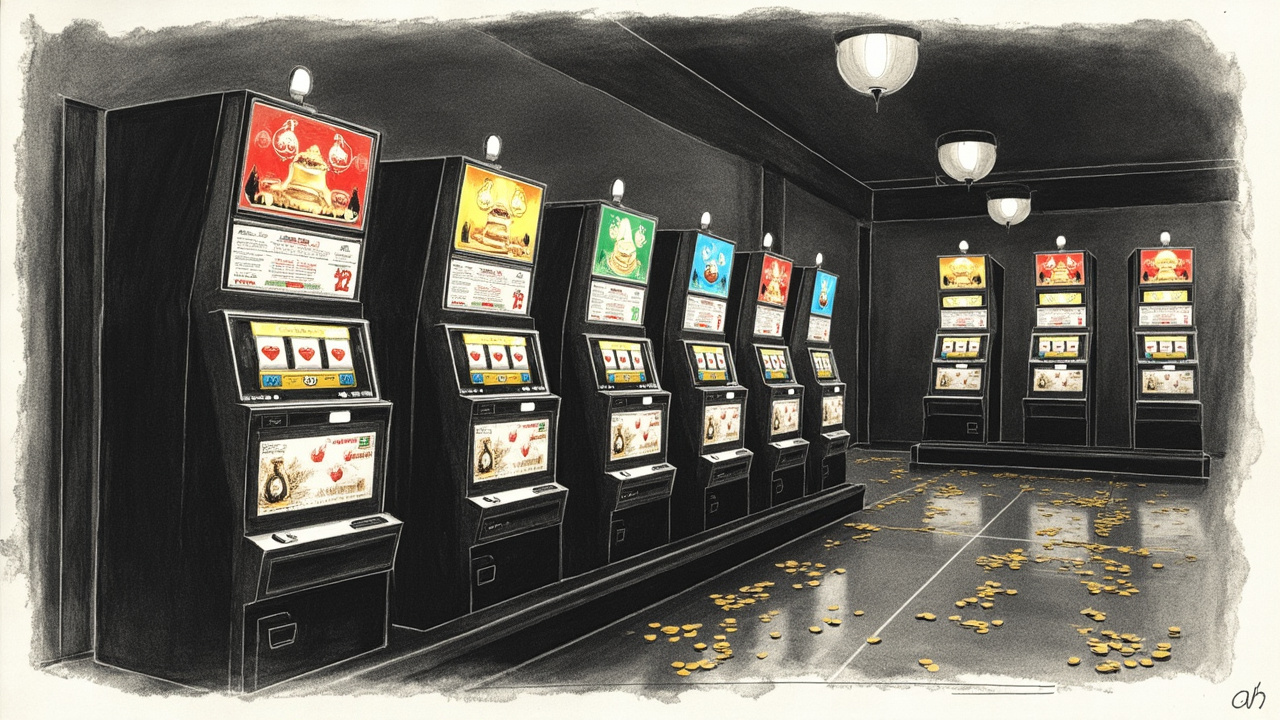
When an Australian adult asks whether an online casino licence curacao safe is a sensible benchmark, the question is really about governed workflows, not a stamp of local approval. Curaçao does not license or regulate gambling in Australia, so any offshore operator carrying that licence sits outside the Australian framework entirely. That distinction matters before a single deposit, because safety here is less about a registry entry and more about how the operator structures verification, withdrawals, and complaint handling in practice.
Licensing and what it actually covers
A Curaçao licence is an administrative permission to operate from a specific jurisdiction, not a consumer-protection regime built around Australian expectations. In my day job turning complex operational problems into governed workflows, I have seen the same pattern repeated: a licence tells you who is allowed to run the business, while the real safety case sits in the operational controls around identity checks, segregated accounts, and documented escalation paths. An operator can hold a valid permit and still run a chaotic lobby, slow pay cycles, or vague terms.
For an Australian player, the practical read is narrower. The licence is one input among several, and it does not convert an offshore site into something locally regulated. If you are weighing an operator, treat the permit as a starting point and then inspect the mechanics that actually affect your money: registration steps, KYC timing, withdrawal windows, and how disputes are logged and tracked.
Inside the lobby: games, providers, and discovery
Game mix and table content
A lobby is where the licence stops mattering and the product starts. A useful floor has a clear split between slots, tables, and live dealers, with enough variety that regulars are not scraping the same dozen titles each session. In a site like royal reels 17 .com, the slots tab leans on established providers and keeps the newer releases near the top, while the table section separates digital roulette and blackjack from the live stream rooms so players are not hunting through mixed results.
Discovery and search matter as much as the catalog size. A cluttered lobby with weak filters is a poor experience even when the underlying library is broad. Good search, provider filters, and a workable sort order make the difference between a session that starts cleanly and one that wastes ten minutes before the first spin.
A short conversation with someone who builds these products
I asked Sienna Smith, Managing Partner, Swan River Interactive, how she judges a lobby when the licence is already settled. Her view was blunt: “The catalogue is only as good as the discovery layer on top of it; if players cannot find a specific provider or table type in a few clicks, the rest of the build does not matter.” That is the kind of operational judgement that separates a tidy product from one that looks full but feels scattered.
The same logic applies to live content. A live lobby needs its own timing, its own seating logic, and a clear separation from RNG titles, because the expectations around pacing and stake ranges are different. When those rooms are buried under generic filters, the experience degrades quickly even if the games themselves are solid.
When the pacing shifts toward curated experiences, operators often look to dedicated platforms where the architecture supports that distinction. For a practical example of how these live environments are structured, you can review the layout at royal reels 17 .com. Such setups ensure that players encounter a consistent rhythm without the unpredictable swings found in chance-driven titles.
Table of lobby signals worth checking
| Signal | What to look for | Why it matters |
|---|---|---|
| Provider spread | Recognised slots and table vendors, not a single white-label ring | Affects game quality and continuity |
| Live separation | Dedicated live section with own filters | Prevents mixed search results and wrong expectations |
| Search and filters | Provider, volatility, table limits, live vs digital | Cuts discovery time before the first bet |
| New release placement | Recent titles visible without deep scrolling | Signals active curation, not a frozen lobby |
Payments, verification, and the money path
The money path is where operational discipline shows up. Registration should be straightforward, but the verification steps that follow need to be predictable rather than improvised. A site that asks for documents in a consistent order, states expected timing, and keeps currency handling tidy is easier to trust than one that improvises each withdrawal.
Currency and payment choices also shape the experience. If the operator supports AUD at entry but flips to another currency for certain methods, that mismatch can create friction at the worst moment. The smoother path is a clear currency stance, a limited set of well-chosen deposit and withdrawal methods, and a withdrawal queue that is documented rather than hidden.
There is a useful parallel in other gaming cultures. Pachinko players exchange won balls for tokens, then tokens for cash off-site, and that two-step exchange is a reminder that the cash-out moment is where expectations and reality meet. A casino withdrawal is not glamorous, but it is the moment that tests whether the operator’s back end is organised.
Bonus mechanics and loyalty without the noise
Bonuses are easiest to misread, so the useful read is mechanical rather than promotional. Wagering requirements, game contributions, expiry windows, and max bet limits during bonus play all shape whether a bonus is usable or just decorative. A transparent bonus page that states those limits plainly is more valuable than a large headline figure with vague terms underneath.
Loyalty programmes work the same way. A sensible tier structure rewards regular play without turning every session into a points puzzle, and the best ones keep the path from points to value legible. If a programme needs a flowchart to understand, it is probably over-engineered for the average player.
That clarity matters most when players compare offers across different casinos, since hidden wagering requirements can quickly erode the value of any reward. For a practical breakdown of how to evaluate those deals, see the casino bonus package guide. Ultimately, the strongest programmes treat bonuses as genuine extensions of the experience rather than conditional hurdles.
Player-fit verdict
For an Australian adult 18+, an online casino licence curacao safe is a defensible reference point only when it is treated as one operational input, not a safety guarantee. The licence tells you the operator has a jurisdictional base; the rest of the safety case is in the lobby organisation, the verification and withdrawal path, and the clarity of the bonus terms. If those pieces are tidy and the game mix matches your preferences, the operator can be a reasonable choice for casual play. If the lobby is hard to search, the cash-out path is vague, or the bonus terms are opaque, the licence alone does not rescue the experience.
I would not call any offshore licence a substitute for Australian regulation, and I would not pretend the permit resolves the real risks. What I can say is that a well-run product with a clear operational backbone is easier to assess than a flashy lobby with no visible discipline. If you want a concrete read, judge the floor, the money path, and the terms first, then let the licence sit where it belongs: as background, not as the headline.
For players in Wollongong or anywhere else down the coast, the same test applies on a quiet arvo as it does at midnight: check the lobby, read the withdrawal steps, and treat the licence as context rather than a verdict. No worries about taking time over it, because the operators that hold up are the ones whose workflows make sense before you ever fund an account.